
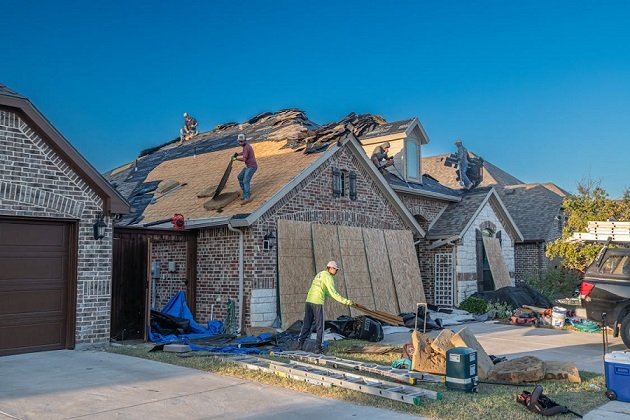
Choosing the right roofing material is one of the most important decisions a homeowner can make. A roof influences the home’s appearance, energy efficiency, durability, and long term value. With so many options available, understanding the differences between materials helps ensure the final choice aligns with both practical needs and aesthetic preferences. Each material offers unique strengths, and comparing them carefully allows homeowners to make a confident, informed decision that supports lasting performance and protection.
Asphalt Shingles for Versatility and Affordability
Asphalt shingles remain one of the most widely used roofing materials due to their balance of cost, durability, and design flexibility. They are available in a wide range of colors and styles, making it easy to match the home’s exterior. Asphalt shingles also perform well in various climates and offer reliable protection when installed correctly.
Their moderate lifespan and straightforward installation make them a practical choice for many homeowners. Asphalt shingles also provide a strong return on investment, especially when part of a reputable roof replacement that enhances both curb appeal and structural integrity. For homeowners seeking a dependable and budget friendly option, asphalt remains a leading contender.
Metal Roofing for Longevity and Energy Efficiency
Metal roofing has grown in popularity thanks to its exceptional durability and energy saving benefits. Metal panels or shingles can last several decades, often outperforming traditional materials in harsh weather conditions. Their reflective properties help reduce heat absorption, contributing to lower cooling costs during warmer months.
Metal roofs are available in a variety of finishes and profiles, allowing homeowners to achieve both modern and traditional looks. While the initial investment is higher than asphalt, the long lifespan and minimal maintenance requirements make metal roofing a strong long term value. Its resilience and efficiency appeal to homeowners seeking a durable, environmentally conscious option.
Wood Shakes and Shingles for Natural Beauty
Wood shakes and shingles offer a warm, natural aesthetic that enhances the character of many architectural styles. Cedar is the most common choice due to its natural resistance to insects and decay. Wood roofing provides excellent insulation and can last for many years when properly maintained.
However, wood requires more upkeep than other materials and may not be suitable for areas with high moisture or strict fire regulations. For homeowners who prioritize appearance and are willing to invest in maintenance, wood shakes deliver a timeless, handcrafted look that adds charm and distinction to the home.
Clay and Concrete Tile for Strength and Style
Clay and concrete tiles are known for their durability, fire resistance, and distinctive appearance. Commonly seen in Mediterranean, Spanish, and Southwestern architecture, these tiles offer a bold, elegant look that significantly enhances curb appeal. Their weight provides stability, and their long lifespan makes them a premium roofing choice.
Because tile roofing is heavier than other materials, homes may require structural reinforcement before installation. The investment is worthwhile for homeowners seeking a long lasting, visually striking roof that performs well in hot climates and resists fading over time.
Slate Roofing for Premium Durability
Slate is one of the most durable roofing materials available, often lasting a century or more when properly installed. Its natural stone composition provides unmatched longevity, fire resistance, and a refined appearance that elevates the home’s architectural presence. Slate is also environmentally friendly, as it requires minimal processing and lasts far longer than most alternatives.
The weight and cost of slate make it a premium option, and installation requires skilled professionals. For homeowners seeking a high end, long term solution, slate roofing offers exceptional value and timeless beauty.
Synthetic Roofing for Modern Performance
Synthetic roofing materials, including composite shingles and rubber slate alternatives, are designed to mimic the appearance of premium materials while offering improved durability and lower maintenance. These products are engineered to resist impact, moisture, and UV exposure, making them suitable for a wide range of climates.
Synthetic options often weigh less than natural materials and can be installed on most homes without structural modifications. Their versatility and performance make them an appealing choice for homeowners who want the look of slate or wood without the associated cost or upkeep.
Green Roofing for Sustainability and Insulation
Green roofing systems, which incorporate vegetation over a waterproof membrane, offer unique environmental and insulation benefits. These roofs help regulate indoor temperatures, reduce stormwater runoff, and contribute to improved air quality. Green roofs also create usable outdoor space in urban environments.
While installation is more complex and requires ongoing maintenance, the environmental advantages and energy savings appeal to homeowners committed to sustainability. Green roofing represents a forward thinking option that blends function with ecological responsibility.
Conclusion
Comparing roofing materials is an essential step in selecting the right option for long term performance, appearance, and value. Asphalt, metal, wood, tile, slate, synthetic materials, and green roofing each offer distinct advantages that suit different needs and preferences. By understanding the strengths of each material, homeowners can make a confident choice that enhances both the protection and beauty of their home for years to come.