
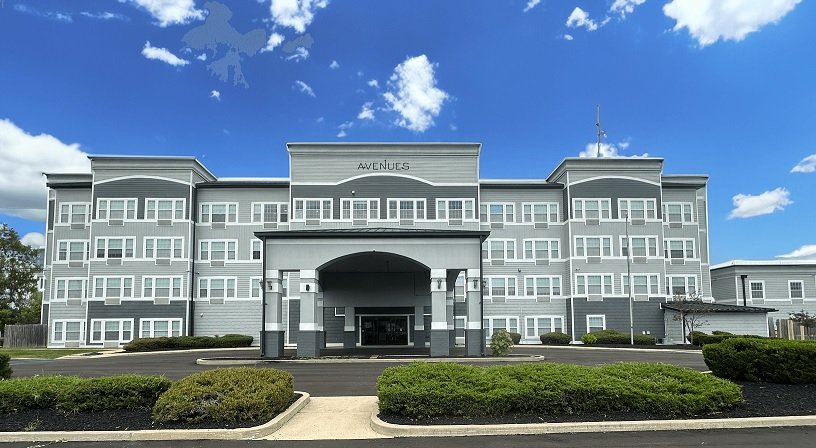
Addiction doesn’t discriminate. It affects people from all walks of life, disrupting families, careers, and personal well-being. For residents of Indiana struggling with substance use disorders, finding compassionate and evidence-based treatment is a critical first step toward recovery. Indiana treatment center offer specialized programs designed to address the complex nature of addiction, providing individuals with the tools and support they need to reclaim their lives.
The state has seen significant challenges related to substance abuse in recent years. According to the Indiana Department of Health, opioid-related deaths have remained a persistent concern, with hundreds of lives lost annually. Beyond opioids, alcohol, methamphetamine, and other substances continue to impact communities across the state. This makes access to quality drug rehab in Indiana more important than ever. Professional treatment centers throughout the state are equipped to handle various types of addiction, offering personalized care that addresses both the physical and psychological aspects of substance use disorders.
Understanding what sets professional treatment centers apart and how they approach recovery can help individuals and their loved ones make informed decisions about seeking help.
What Makes a Treatment Center Professional?
Professional treatment centers distinguish themselves through several key characteristics. Accreditation is one of the most important markers of quality. Facilities accredited by organizations such as The Joint Commission or the Commission on Accreditation of Rehabilitation Facilities (CARF) have undergone rigorous evaluations to ensure they meet national standards for patient care, safety, and ethical practices.
Equally important is the presence of licensed and credentialed staff. Professional centers employ addiction specialists, licensed counselors, medical doctors, psychiatrists, and therapists who bring expertise in evidence-based treatment modalities. These professionals work collaboratively to create individualized treatment plans that address each patient’s unique needs.
Evidence-based treatment approaches form the foundation of professional care. Methods such as Cognitive Behavioral Therapy (CBT), Dialectical Behavior Therapy (DBT), Motivational Interviewing, and medication-assisted treatment (MAT) have been extensively researched and proven effective in treating substance use disorders. Centers that prioritize these approaches give patients the best chance at long-term recovery.
Comprehensive care is another hallmark of professional treatment. Addiction rarely exists in isolation—it often co-occurs with mental health conditions such as depression, anxiety, or trauma. Professional centers conduct thorough assessments to identify co-occurring disorders and provide integrated treatment that addresses all aspects of a patient’s health.
Types of Treatment Programs Available
Indiana treatment centers offer a range of program levels to accommodate different needs and circumstances. Understanding these options helps individuals choose the most appropriate care.
Inpatient or residential treatment provides the highest level of care. Patients live at the facility for a designated period, typically 30 to 90 days, receiving round-the-clock supervision and support. This immersive environment removes individuals from triggering situations and allows them to focus entirely on recovery. Inpatient programs are particularly beneficial for those with severe addictions, co-occurring mental health conditions, or previous unsuccessful treatment attempts.
Partial hospitalization programs (PHP) offer intensive treatment while allowing patients to return home each evening. Participants attend therapy and medical appointments for several hours each day, typically five to seven days per week. PHPs bridge the gap between inpatient care and outpatient services, providing structure while gradually reintegrating individuals into daily life.
Intensive outpatient programs (IOP) require fewer hours of weekly treatment compared to PHP, usually nine to 12 hours spread across multiple days. This level of care suits individuals who have completed higher levels of treatment or those whose addiction is less severe but still requires structured support.
Standard outpatient treatment involves weekly therapy sessions and check-ins, allowing individuals to maintain work, school, or family responsibilities while receiving ongoing support. This option works well for those in stable recovery or as a step-down from more intensive programs.
Medication-assisted treatment has become increasingly recognized as an effective approach, particularly for opioid and alcohol use disorders. Medications such as buprenorphine, naltrexone, and methadone help reduce cravings and withdrawal symptoms, making it easier for individuals to engage in therapy and maintain sobriety.
Components of Comprehensive Addiction Treatment
Professional treatment centers recognize that recovery involves more than simply stopping substance use. Effective programs address multiple dimensions of a person’s life.
Medical detoxification is often the first step for individuals with physical dependence on substances. Withdrawal can be uncomfortable and, in some cases, dangerous. Medically supervised detox ensures patients receive appropriate medications and monitoring to safely manage withdrawal symptoms.
Individual therapy forms the core of most treatment programs. Through one-on-one sessions with licensed therapists, patients explore the underlying causes of their addiction, develop coping strategies, and work through trauma or mental health issues that contribute to substance use.
Group therapy provides a supportive environment where individuals share experiences, learn from others facing similar challenges, and build a sense of community. Many people find that group settings reduce feelings of isolation and shame while reinforcing recovery skills.
Family therapy acknowledges that addiction affects entire family systems. These sessions help repair damaged relationships, improve communication, and educate family members about addiction and recovery. Involving loved ones in the treatment process often strengthens outcomes.
Holistic therapies complement traditional approaches by addressing overall wellness. Activities such as yoga, meditation, art therapy, and nutrition counseling help individuals develop healthy lifestyle habits that support long-term recovery.
Life skills training prepares individuals for the challenges they’ll face after treatment. Sessions may cover topics like job readiness, financial management, stress management, and healthy relationship building.
The Importance of Aftercare Planning
Recovery doesn’t end when formal treatment concludes. Aftercare planning is essential for maintaining sobriety and preventing relapse. Professional treatment centers develop comprehensive discharge plans that include ongoing support resources.
Outpatient therapy allows individuals to continue working with counselors as they transition back to daily life. Regular sessions provide accountability and a space to address challenges as they arise.
Support groups such as Alcoholics Anonymous (AA), Narcotics Anonymous (NA), and SMART Recovery offer peer support and structured programs for maintaining sobriety. Many treatment centers help patients connect with local meetings before discharge.
Sober living homes provide a structured, substance-free environment for individuals who need additional support before returning to independent living. These residences offer a middle ground between treatment and home, with house rules, accountability measures, and peer support.
Alumni programs maintain connections between treatment centers and former patients. These programs may include ongoing support groups, social events, and resources for individuals facing challenges in recovery.
Choosing the Right Indiana Treatment Center
Selecting a treatment center is a significant decision that can impact the trajectory of recovery. Several factors deserve consideration.
Location matters for different reasons to different people. Some individuals prefer treatment close to home, allowing family involvement and easier transitions. Others benefit from distance, which removes them from familiar environments and triggers.
Specialization should align with individual needs. Some centers focus on specific populations, such as adolescents, veterans, or professionals. Others specialize in particular substances or co-occurring disorders.
Treatment philosophy varies among facilities. Some emphasize 12-step programs, while others take a more clinical or holistic approach. Understanding a center’s philosophy helps ensure it aligns with personal values and preferences.
Insurance coverage and financial considerations play a practical role in decision-making. Most professional treatment centers work with insurance providers and can help verify benefits. Many also offer payment plans or sliding scale fees.
Visiting facilities, when possible, provides valuable insight. Tours allow prospective patients and families to meet staff, see accommodations, and ask questions about programming and outcomes.
Taking the First Step
Reaching out for help can feel overwhelming, but it’s a courageous step toward a healthier future. Indiana treatment centers have admission teams ready to answer questions, verify insurance, and guide individuals through the intake process.
For those uncertain about whether treatment is necessary, many centers offer free assessments to evaluate the severity of substance use and recommend appropriate levels of care. These consultations are confidential and provide an opportunity to learn about options without commitment.
Recovery is possible, and professional treatment provides the foundation for lasting change. With comprehensive care, evidence-based approaches, and ongoing support, individuals can break free from addiction and build fulfilling, substance-free lives.
You can also Read About it: