
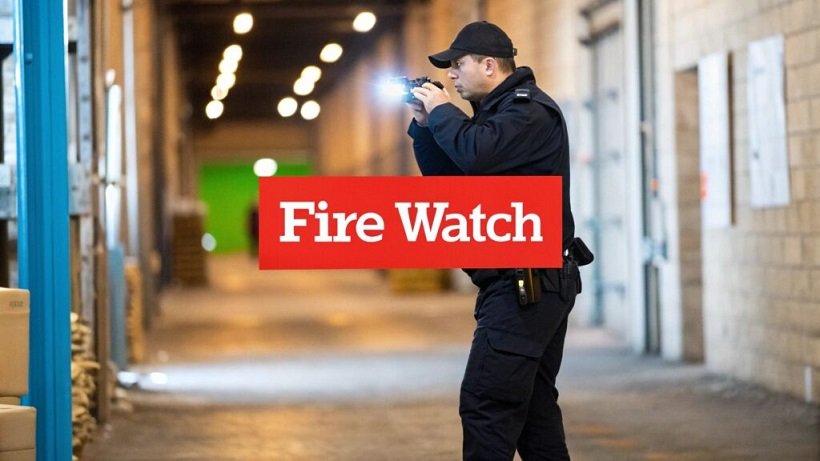
Fire safety has become a critical requirement for residential, commercial, and industrial environments where even a small oversight can lead to major hazards. Among the most reliable preventive measures used today, fire watch guards play a vital role in maintaining continuous safety coverage when automated fire protection systems are not available or are temporarily disabled.
Understanding how fire watch guards operate, what they monitor, and why their presence is often required helps highlight their importance in maintaining safety compliance and protecting lives and property.
Understanding Fire Watch Guard Services
Fire watch guards are trained professionals responsible for observing properties for fire risks and ensuring immediate response readiness in environments where fire hazards may increase. Their role becomes especially important when fire alarms, sprinklers, or detection systems are under maintenance or not functioning properly.
In many facilities, fire watch services act as a temporary but essential safety solution. These guards remain on-site to continuously monitor conditions, identify risks early, and respond quickly if any signs of fire appear.
Studies and safety guidelines show that fire watch personnel are widely used in high-risk environments such as construction sites, industrial plants, and buildings undergoing renovation or system repair because these situations significantly increase fire vulnerability.
Why Fire Watch Guards Are Needed in High-Risk Situations
Fire watch services are not only preventive but also regulatory in many cases. When fire safety systems are offline, authorities often require a dedicated fire watch presence to ensure compliance and reduce risk exposure.
Common scenarios where fire watch guards are essential include system failures, hot work activities like welding or cutting, and storage of flammable materials. In these situations, the absence of constant monitoring can quickly escalate minor risks into serious incidents.
In many cases, fire watch coverage becomes the only safeguard ensuring that early warning signs such as smoke, heat, or unusual odors are detected in time.
Core Responsibilities of Fire Watch Guards
Fire watch guards carry a wide range of responsibilities that focus on prevention, detection, and emergency response readiness.
Their primary task is continuous monitoring of assigned areas. This involves actively patrolling the premises and observing for signs of fire hazards such as exposed wiring, overheating equipment, blocked exits, or improper storage of combustible materials.
They also keep a close watch on fire safety equipment like extinguishers and sprinkler systems to ensure everything remains accessible and functional when needed.
Another important responsibility is maintaining detailed logs of site conditions. These records help facility managers understand potential risks and ensure compliance with safety regulations.
When necessary, fire watch guards are also trained to alert emergency services immediately and guide occupants toward safe evacuation routes during emergencies.
Continuous Monitoring and Alertness Standards
One of the most important aspects of fire watch duties is uninterrupted vigilance. Unlike regular security roles that may involve multiple responsibilities, fire watch personnel must focus entirely on fire risk detection.
They are expected to stay fully alert throughout their shift without distractions. This includes constant observation of environmental conditions such as temperature changes, smoke presence, unusual smells, or equipment malfunctions.
This level of attention is critical because early detection significantly reduces the chances of fire escalation. Even a few minutes of delay in identifying a fire hazard can lead to serious consequences in high-risk environments.
Fire Watch Guards and Fire Safety Compliance
Fire watch services are often connected to fire safety regulations and building code requirements. In many jurisdictions, having trained personnel on-site is mandatory when fire protection systems are not operational.
This ensures that buildings continue to meet minimum safety standards even during maintenance or unexpected system failures. Compliance also protects property owners from legal and insurance-related risks that could arise due to fire incidents.
The presence of fire watch guards demonstrates proactive safety management and responsible operational practices, which are highly valued in both commercial and industrial sectors.
Benefits of Fire Watch Guard Services
One of the most significant benefits of fire watch guards is early hazard detection. Their continuous presence allows potential fire risks to be identified before they develop into dangerous situations.
Another major benefit is improved emergency response time. Since guards are already on-site, they can quickly alert emergency services and begin evacuation procedures without delay.
Fire watch services also help reduce property damage and financial loss. Early intervention often prevents small incidents from turning into large-scale fires that could disrupt operations for extended periods.
Additionally, these services provide peace of mind to business owners, employees, and occupants by ensuring that a trained professional is always monitoring safety conditions.
Industries That Rely on Fire Watch Services
Fire watch guards are commonly used across multiple industries where fire risks are higher than normal. Construction sites frequently require fire watch coverage due to welding activities and temporary electrical setups.
Manufacturing and industrial facilities also depend on fire watch services because of machinery heat, chemical storage, and heavy equipment usage.
Commercial buildings undergoing maintenance or renovation are another major area where fire watch guards are essential, especially when fire alarm systems are temporarily disabled.
Even large public events may require fire watch personnel to ensure crowd safety and emergency preparedness.
Skills and Training Required for Fire Watch Guards
Fire watch guards undergo specialized training that prepares them to recognize fire hazards and respond effectively during emergencies. This includes understanding fire behavior, identifying risk factors, and using fire extinguishers when necessary.
They are also trained in emergency communication protocols so they can coordinate quickly with fire departments and facility managers.
Strong observation skills, alertness, and discipline are essential qualities for performing this role effectively, as even small details can indicate potential fire threats.
Importance of Quick Response in Fire Watch Duties
Speed is one of the most critical factors in fire prevention. Fire watch guards are trained to respond immediately when signs of fire appear.
Their ability to act quickly can include alerting emergency services, initiating evacuation procedures, and guiding occupants to safety exits. This rapid response capability significantly reduces the risk of injuries and property damage.
In many cases, fire watch personnel serve as the first line of defense until fire departments arrive on the scene.
Operational Value for Businesses and Property Owners
For businesses, fire watch services are not just a safety requirement but also an operational safeguard. Unexpected fire incidents can lead to downtime, financial loss, and reputational damage.
By maintaining fire watch coverage, organizations ensure uninterrupted safety monitoring even during system outages or high-risk activities. This makes fire watch services an essential part of modern risk management strategies.
Conclusion
Fire watch guards play a crucial role in maintaining fire safety in environments where risks are elevated or fire protection systems are temporarily unavailable. Their continuous monitoring, quick response capabilities, and preventive approach help reduce fire hazards and ensure compliance with safety standards.
From industrial facilities to commercial buildings and construction sites, fire watch services provide an important layer of protection that supports both safety and operational continuity. Their presence ensures that potential dangers are identified early and managed effectively, making them an essential part of modern fire safety systems.