
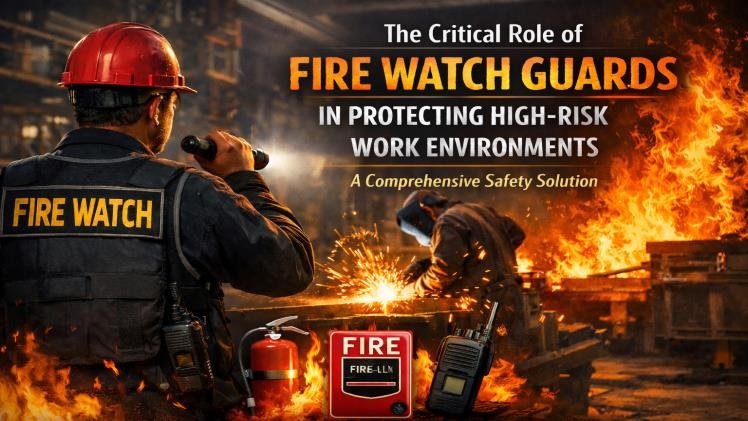
In today’s high-risk industries, fire safety is not just a regulatory requirement; it’s a fundamental aspect of workplace safety and operational integrity. Fire Watch Guards are a cornerstone of fire prevention and response strategies, ensuring that fire hazards are continuously monitored and addressed before they can escalate into full-blown emergencies. Whether in the construction industry, chemical plants, manufacturing facilities, or during large public events, Fire Watch Guards provide a crucial layer of protection, helping to prevent devastating consequences such as injury, loss of life, and extensive property damage. This article delves into the significant role Fire Watch Guards play in preventing fire-related incidents, the essential skills they possess, and why every business operating in high-risk environments should prioritize fire watch services.
The Growing Need for Fire Watch Guards Across Various Industries
Certain industries are inherently more susceptible to fire risks due to the nature of the materials, operations, and work processes involved. For instance, construction sites often involve welding, cutting, and other hot work activities, which create significant fire hazards. Similarly, chemical and petrochemical plants use and store flammable materials that can easily ignite under the right conditions. Manufacturing facilities dealing with heavy machinery, high-voltage systems, and combustible materials also face significant fire risks. Moreover, industries such as mining, aviation, and even public events (concerts, festivals, and conventions) also present unique fire safety challenges.
In such environments, Fire Watch Guards are indispensable. They provide round-the-clock monitoring, keeping a watchful eye on potential fire risks and ensuring that effective safety measures are in place. Fire Watch Guards help ensure that work environments stay compliant with safety regulations, reduce the likelihood of fires, and create a safer, more controlled atmosphere for everyone involved.
The Role and Responsibilities of Fire Watch Guards
The role of Fire Watch Guards goes beyond simply looking out for flames. They are trained professionals responsible for ensuring fire safety through a series of key tasks and activities:
- Continuous Monitoring and Surveillance: The primary responsibility of a Fire Watch Guard is to patrol and survey high-risk areas for potential fire hazards. Whether it’s a construction site, a factory floor, or an event venue, these guards are constantly scanning for risks such as sparks, hot surfaces, exposed electrical wiring, and improperly stored combustible materials.
- Hazard Identification and Mitigation: Fire Watch Guards are trained to recognize a wide range of fire hazards, including faulty equipment, gas leaks, and overheated machinery. When these hazards are detected, guards are responsible for taking immediate corrective action, including shutting down machinery, isolating dangerous areas, or notifying supervisors and emergency personnel.
- Hot Work Monitoring: Many industries involve hot work, such as welding, cutting, or grinding, which can easily lead to sparks and heat that ignite surrounding materials. Fire Watch Guards ensure that hot work is conducted safely by implementing fire prevention measures such as removing flammable materials, using fire-resistant blankets, and ensuring that appropriate fire suppression equipment is on hand.
- Fire Safety Equipment Inspection: A critical part of the guard’s job is maintaining fire safety equipment. Fire Watch Guards ensure that all fire extinguishers, alarms, sprinklers, and other safety equipment are in good working order and easily accessible in case of an emergency. They perform routine checks and report any deficiencies or required maintenance.
- Responding to Emergencies: If a fire occurs, Fire Watch Guards are the first responders. They are trained in using fire extinguishers, activating fire alarms, and evacuating people from danger zones. Their swift response helps contain small fires before they can spread, often preventing significant damage to property or loss of life.
- Detailed Reporting and Documentation: Another important responsibility of Fire Watch Guards is keeping thorough records of their activities, including patrol logs, hazard reports, and any actions taken to mitigate risks. These records are essential for compliance purposes and can be crucial in the event of a fire-related investigation or audit.
- Employee and Visitor Safety Education: Fire Watch Guards play an important role in educating employees and visitors about fire safety protocols. By providing safety briefings, conducting fire drills, and offering guidance on proper fire prevention techniques, guards help foster a culture of safety throughout the workplace or event.
Legal and Regulatory Compliance for Fire Watch Services
Compliance with fire safety regulations is an essential reason for employing Fire Watch Guards. Several national, state, and local regulations mandate the presence of fire watch services during certain high-risk activities. The Occupational Safety and Health Administration (OSHA) provides guidelines that require the assignment of Fire Watch Guards during activities that involve “hot work”—any operation that involves open flames or produces heat or sparks, such as welding, grinding, and cutting.
In addition to hot work requirements, fire watch services are also necessary when fire suppression systems, such as sprinklers or alarms, are temporarily unavailable. For instance, during renovations or construction projects, if the sprinkler system is deactivated or malfunctioning, Fire Watch Guards must be present to ensure continuous monitoring of fire risks until the system is operational again.
Failure to comply with these regulations can result in fines, operational shutdowns, legal penalties, and insurance liabilities. By employing Fire Watch Guards, businesses can ensure compliance with fire safety regulations and mitigate the risk of costly fire-related incidents.
The Skills and Expertise of Fire Watch Guards
The value of Fire Watch Guards lies in their specialized knowledge, skills, and training. Their role requires them to have a deep understanding of fire risks, safety protocols, and emergency response procedures. Key skills and areas of expertise include:
- Fire Prevention Techniques: Fire Watch Guards are trained to identify common fire hazards, including faulty equipment, dangerous working conditions, improper storage of flammable materials, and unsafe practices. Their ability to spot and address potential fire risks before they become dangerous is critical to preventing fires.
- Fire Suppression Equipment Knowledge: Guards are proficient in using fire suppression tools, such as fire extinguishers, hoses, and fire blankets. They are trained to respond to a variety of fire scenarios, including small electrical fires, chemical fires, and general structural fires.
- Evacuation Procedures: In the event of a fire, Fire Watch Guards must be able to guide employees and visitors to safety. They are trained in emergency evacuation procedures, including safe exit routes, muster points, and how to manage crowd control during evacuations.
- Emergency Communication: Effective communication is a critical skill for Fire Watch Guards. They must be able to notify emergency responders quickly, provide clear and accurate reports about the situation, and communicate safety instructions to workers and visitors during an emergency.
- Fire Safety Equipment Inspections: Regular checks and maintenance of fire safety equipment are part of a guard’s duties. They ensure that fire extinguishers are charged, sprinkler systems are functional, and fire alarms are in working order. Guards are also trained to recognize when equipment is in need of servicing or replacement.
- First Aid Training: Many Fire Watch Guards are trained in first aid and CPR. This enables them to provide immediate assistance in the event of injury or illness during an emergency, further enhancing the safety of the environment they monitor.
The Integration of Technology in Fire Watch Services
Technology has significantly improved fire watch services in recent years, helping Fire Watch Guards become more effective in identifying risks and responding to emergencies. Some of the latest innovations include:
- Thermal Imaging Cameras: These cameras help Fire Watch Guards detect hot spots or abnormal temperature readings in hard-to-reach or large areas. They are particularly useful in detecting smoldering fires that might not yet be visible but could grow into larger fires if left unchecked.
- Automated Fire Detection Systems: Modern fire alarms are integrated with sophisticated detection systems that use sensors, AI algorithms, and smoke detection to identify fires earlier. These systems can send real-time alerts to Fire Watch Guards, enabling them to respond quickly and prevent larger fires.
- Drones for Large-Scale Sites: In large or industrial facilities, drones equipped with infrared sensors can provide a bird’s-eye view of fire risks. This is particularly useful in warehouses, power plants, and manufacturing plants, where fires may start in hard-to-access areas.
- Mobile Communication Tools: Many Fire Watch Guards use mobile devices or specialized apps that enable them to report hazards, notify emergency responders, and update their logs in real time. These tools help improve response times and ensure that incidents are addressed without delay.
The Psychological Benefits of Having Fire Watch Guards
In addition to the practical safety benefits, Fire Watch Guards also contribute to the overall psychological well-being of employees. Knowing that there are trained professionals on-site dedicated to fire safety helps workers feel more secure in their environment. This sense of safety can reduce stress, improve morale, and increase productivity, as employees are less distracted by concerns about potential hazards.
Furthermore, Fire Watch Guards play an essential role in fostering a culture of safety within an organization. Their visible presence encourages workers to follow safety protocols and be more mindful of potential fire hazards, thus creating a safer, more disciplined work environment.
Conclusion: Investing in Fire Watch Guards for a Safer, More Secure Future
The role of Fire Watch Guards is essential in ensuring fire safety in high-risk environments. From preventing fires to ensuring compliance with safety regulations, these guards provide an indispensable service that helps protect lives, property, and businesses. By investing in fire watch services, companies not only reduce the risk of fire-related incidents but also demonstrate their commitment to the well-being of their employees and the longevity of their operations.
In industries where fire risks are prevalent, the presence of Fire Watch Guards is not just a precaution—it is a necessity. By combining expert vigilance with modern technology, fire watch services offer a comprehensive, proactive approach to fire prevention and response that ultimately saves lives, reduces costs, and enhances workplace safety.
You can also Read About it:
DIY Pest Control Mistakes That Actually Make Infestations Harder to Eliminate