
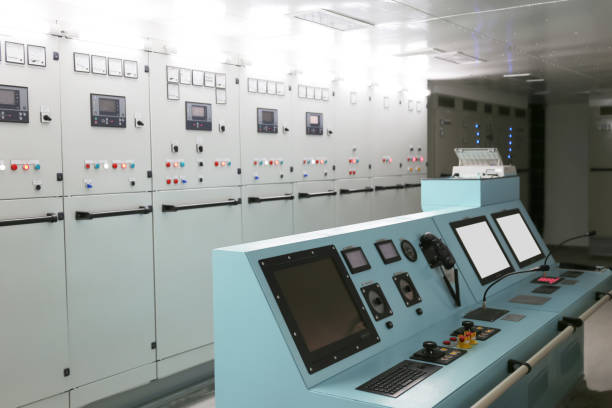
Electrical distribution systems are the backbone of modern infrastructure, supplying power to homes, offices, factories, and critical facilities. Ensuring that this power is delivered safely, reliably, and efficiently requires more than just cables and transformers. This is where switchgear power solutions play a vital role. Switchgear systems are essential for controlling, protecting, and isolating electrical equipment, helping prevent failures and ensuring uninterrupted power flow.
This blog explores what switchgear power solutions are, how they function within electrical distribution systems, their key components, types, and the benefits they offer across different applications.
What Are Switchgear Power Solutions?
Switchgear power solutions refer to a combination of electrical devices designed to manage and protect electrical power systems. These devices control the flow of electricity, safeguard equipment from faults, and enable safe maintenance operations. Switchgear is typically installed in substations, power plants, industrial facilities, and commercial buildings.
At its core, switchgear ensures that electrical energy is distributed efficiently while minimizing risks such as short circuits, overloads, and electrical fires. By integrating protection, control, and monitoring functions, switchgear power solutions form a critical layer of safety within electrical distribution systems.
Role of Switchgear in Electrical Distribution Systems
Electrical distribution systems involve the transfer of power from generation sources to end users. Along this journey, electricity must pass through various voltage levels and distribution points. Switchgear is installed at each of these points to regulate and protect the system.
Key roles of switchgear include:
- Protection: Detecting faults and disconnecting affected circuits to prevent damage
- Control: Allowing operators to switch circuits on or off as needed
- Isolation: Enabling safe maintenance by isolating sections of the system
- Monitoring: Providing real-time data on system performance and power usage
Without effective switchgear power solutions, electrical distribution systems would be vulnerable to frequent failures and safety hazards.
Main Components of Switchgear Power Solutions
Switchgear systems are made up of several interconnected components, each serving a specific purpose:
Circuit Breakers
Circuit breakers are the most critical part of switchgear. They automatically interrupt the electrical flow during overloads, short circuits, or faults, protecting both equipment and personnel.
Switches and Isolators
These devices allow manual control of electrical circuits and help isolate equipment for maintenance or emergency shutdowns.
Fuses
Fuses provide additional protection by melting when excessive current flows, thereby breaking the circuit.
Relays
Protective relays detect abnormal conditions such as overcurrent or voltage fluctuations and trigger circuit breakers to operate.
Control Panels and Meters
Modern switchgear power solutions often include digital meters and control panels for monitoring voltage, current, frequency, and energy consumption.
Types of Switchgear Power Solutions
Switchgear is classified based on voltage levels and application requirements. Each type plays a distinct role in electrical distribution systems.
Low Voltage Switchgear
Low voltage switchgear operates at voltages up to 1,000 volts. It is commonly used in residential, commercial, and light industrial settings. These systems are designed to handle daily power distribution while ensuring user safety.
Features of low voltage switchgear include:
- Compact and modular design
- High safety standards
- Compatibility with automation and smart systems
Medium Voltage Switchgear
Medium voltage switchgear typically operates between 1 kV and 36 kV and is widely used in industrial plants, substations, and utility distribution networks. It manages higher power loads and plays a crucial role in regional power distribution.
High Voltage Switchgear
High voltage switchgear is used in transmission networks and power generation facilities. Designed to handle extremely high voltages, it ensures the safe transfer of electricity over long distances.
How Switchgear Power Solutions Improve System Reliability
One of the primary benefits of switchgear power solutions is enhanced reliability. By quickly detecting and isolating faults, switchgear minimizes downtime and prevents failures from spreading across the system.
Modern switchgear systems are increasingly equipped with:
- Intelligent protection relays
- Remote monitoring and control
- Predictive maintenance capabilities
These features allow operators to identify potential issues early and take corrective action before a failure occurs.
Safety Benefits of Switchgear Power Solutions
Electrical safety is a top priority in any distribution system. Switchgear power solutions significantly reduce risks by:
- Preventing electrical overloads and short circuits
- Reducing arc flash incidents
- Allowing safe isolation during maintenance
- Protecting personnel and equipment
Advanced designs also incorporate arc-resistant enclosures and enhanced insulation to further improve safety.
Applications of Switchgear Power Solutions
Switchgear power solutions are used across a wide range of sectors, including:
- Commercial buildings: Offices, malls, and hotels
- Industrial facilities: Manufacturing plants and processing units
- Healthcare: Hospitals and laboratories requiring uninterrupted power
- Data centers: Critical IT infrastructure with zero tolerance for downtime
- Utilities: Power generation, transmission, and distribution networks
Each application requires customized switchgear configurations based on load requirements, environmental conditions, and safety standards.
Future Trends in Switchgear Power Solutions
As electrical systems evolve, switchgear power solutions are becoming more advanced and intelligent. Key trends shaping the future include:
- Digital and smart switchgear with IoT integration
- Energy-efficient designs to reduce power losses
- Integration with renewable energy sources
- Enhanced monitoring and analytics for predictive maintenance
These advancements are helping organizations improve efficiency, reduce operational costs, and meet sustainability goals.
Conclusion
Switchgear power solutions are a critical component of electrical distribution systems, ensuring safe, reliable, and efficient power delivery. By combining protection, control, and monitoring functions, switchgear safeguards both equipment and people while enhancing system performance.
From low voltage applications in commercial buildings to high voltage systems in power transmission networks, switchgear plays an indispensable role in modern electrical infrastructure. As technology continues to advance, intelligent and sustainable switchgear power solutions will remain at the forefront of efficient energy management.
You can also Read About it: