The shift toward industrial automation is no longer a futuristic concept but a present-day necessity for businesses aiming to remain competitive in a global market. Integrating automated systems into a production line can drastically improve throughput, reduce human error, and enhance overall safety. However, the transition from manual processes to an automated environment is a complex undertaking that requires more than just purchasing the latest machinery. It involves a strategic evaluation of how technology will mesh with existing workflows, the long-term scalability of the hardware, and the specific return on investment for the facility.
To ensure a successful transition, decision-makers must look beyond the initial excitement of modernization and focus on the fundamental pillars of a sustainable automation strategy.
1. Compatibility and System Integration
One of the most significant hurdles in automation is ensuring that new equipment communicates effectively with legacy systems. A common mistake is purchasing a high-tech solution that operates in a vacuum, creating “data silos” where information cannot be shared across the production floor. Before investing, it is crucial to assess whether the new software and hardware use open communication protocols. Seamless integration allows for real-time monitoring and data analytics, which are essential for predictive maintenance and identifying bottlenecks before they lead to costly downtime.
2. Flexibility and Human-Robot Collaboration
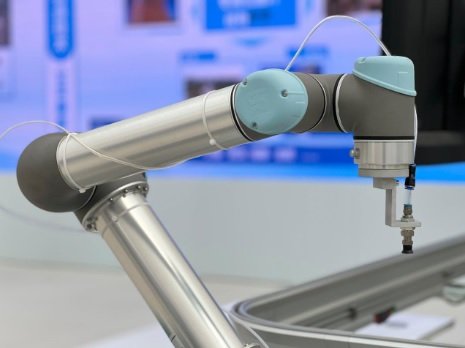
Modern manufacturing demands agility. Markets shift quickly, and a production line that is hard-wired for a single task can become an anchor rather than an asset. This is why many facilities are moving away from traditional, caged industrial robots in favor of collaborative systems. These systems are designed to work alongside human operators, taking over repetitive or dangerous tasks while allowing humans to focus on complex problem-solving.
When looking for these specialized tools, it is vital to source them from a knowledgeable partner. For instance, working with a reputable cobot supplier allows a business to select units that are specifically tailored to their payload requirements and safety standards. Collaborative robots, or cobots, are often easier to program and redeploy than their traditional counterparts, making them an ideal solution for small to medium-sized enterprises that need to switch between different product runs frequently.
3. Total Cost of Ownership (TCO)
The sticker price of an automated system is only a fraction of the total investment. When calculating the budget, stakeholders must account for installation, specialized training for staff, software licensing, and ongoing maintenance. Furthermore, the cost of potential downtime during the implementation phase must be factored in. A solution that appears inexpensive upfront but requires proprietary parts or expensive service contracts can quickly become a financial burden. A true TCO analysis looks at the next five to ten years of operation to determine the actual value of the technology.
4. Financial Agility and Resource Management
Implementing a large-scale automation project often requires a significant outlay of capital, which can strain a company’s liquid reserves. In an era where technological updates happen rapidly, staying ahead of the curve requires smart financial maneuvering. Managing the timing of these investments is just as important as the technology itself.
For businesses looking to bridge the gap between their current budget and their future goals, utilizing streamlined digital services can be a strategic move. A platform like Lamina provides a modern, online interface for businesses and individuals to manage their financial flexibility. By using an intuitive system to handle short-term cash flow needs or unexpected equipment costs, a company can ensure that their move toward automation doesn’t stall due to temporary capital constraints. Having this kind of digital support allows a firm to maintain its momentum in the market without compromising its daily operational stability.
5. Scalability and Future-Proofing
The final factor to consider is the “longevity” of the solution. Industrial automation should be seen as a journey, not a destination. The solution you choose today should have the capacity to grow as your business expands. Can the software be updated remotely? Can the hardware be outfitted with new sensors or end-effectors as your product line changes? Choosing a modular system ensures that you won’t have to replace your entire setup three years down the line when a newer technology emerges. Future-proofing your investment protects your capital and ensures that your facility remains at the cutting edge of efficiency.
Choosing the right industrial automation solution is a balance of technical capability, financial foresight, and operational flexibility. By focusing on integration, selecting versatile tools from the right suppliers, and utilizing modern financial platforms to maintain agility, businesses can build a resilient production environment. When these factors are addressed with a long-term perspective, automation becomes a powerful engine for growth, safety, and innovation.