
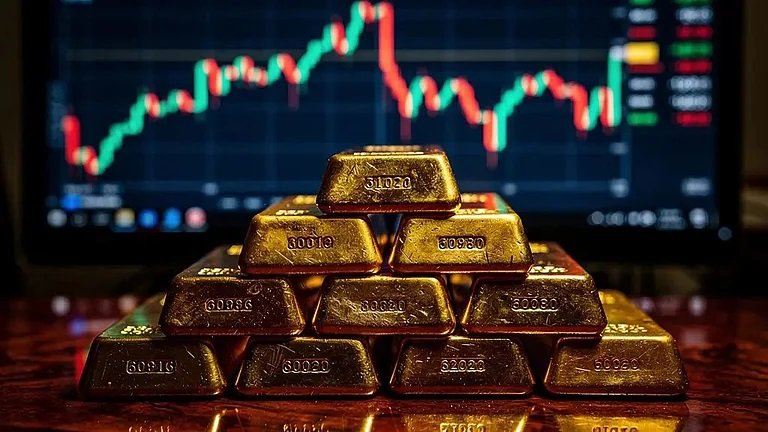
Commodity tokenization turns real-world physical assets like gold and oil into blockchain-based tokens. On exchanges like MEXC, this connects traditional markets to crypto networks to make trading faster and ownership more flexible.
What Is Commodity Tokenization?
At its core, tokenization bridges the physical and digital worlds by creating a digital token whose price follows the value of an underlying physical good. Instead of dealing with physical storage receipts or traditional brokers, users can hold and trade commodities directly from a digital wallet.
The process is straightforward: a physical commodity is legally tied to a token structure, a token is issued to represent ownership or financial value, and the blockchain keeps a transparent record of all transfers.
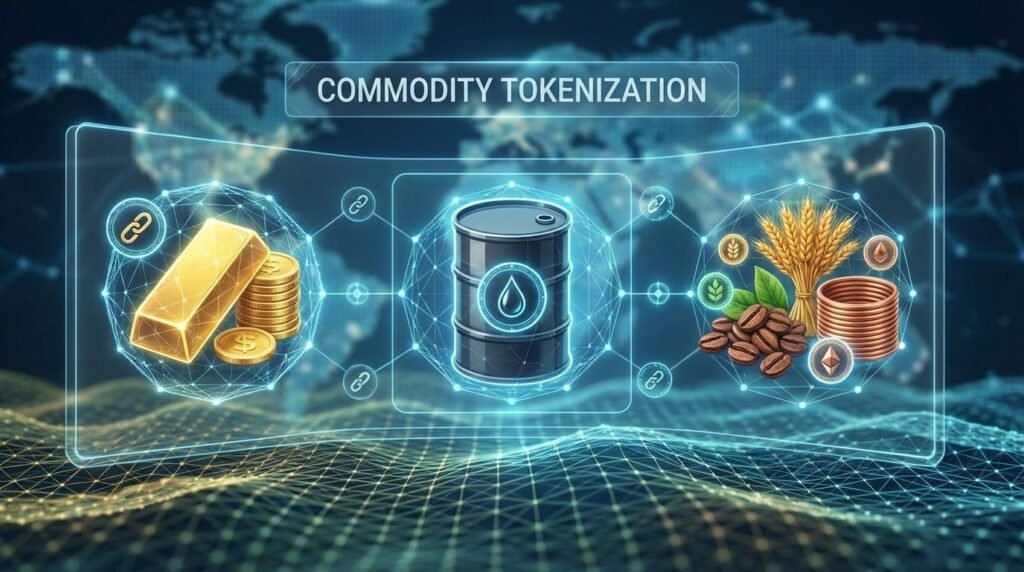
Commodity-Backed Tokens vs. Synthetic Exposure
Not all commodity tokens are built exactly the same way. The structure determines exactly what you own:
| Model | What it represents | Main feature |
| Commodity-backed token | A direct claim to a physical asset. | A strong, physical link to the actual commodity. |
| Synthetic exposure token | The price movement of the commodity. | Focuses purely on tracking the price, not physical ownership. |
| Commodity-linked digital asset | Financial exposure built through a smart contract. | Highly flexible for use across different crypto platforms. |
Why Gold Leads the Market
Gold is usually the starting point for tokenizing real-world assets (RWAs). It has a long history of holding its value, and investors globally understand how it works. Because one troy ounce is exactly 31.1035 grams, the math is simple, making it easy to divide the metal into small, digital fractions that anyone can trade.
Digital gold stands out because it provides a highly liquid, universally understood benchmark. Tokens let users buy tiny fractions of gold that would be hard to buy physically, making it easy to balance crypto portfolios or make payments.
How Tokenized Gold Works
The mechanics behind digital gold are designed to be clear and verifiable. A tokenized gold product links a digital coin directly to physical gold reserves or to a verified financial structure.
- Pricing and Backing: The token’s value moves up and down with the global gold price, supported by real gold in a vault or a strict financial contract.
- Redemption: Some platforms allow users to trade their tokens in for real, physical gold.
- Practical Use: An investor who wants to profit from gold but avoid storage costs can simply hold a gold token in their crypto wallet alongside Bitcoin or stablecoins.
Tokenized Oil Explained
Energy markets are also finding a place on the blockchain. Instead of a token representing a gold bar in a vault, an oil token tracks the price of crude oil benchmarks or global supply data. Oil affects global transport, manufacturing, and trade, making its tokenized version a powerful bridge between the heavy energy sector and digital finance. For traders looking to capitalize on these dynamic price shifts, trading pairs like USOILUSDT offer a seamless way to integrate energy markets into a broader crypto portfolio.
Tokenized Oil vs. Gold
Tokenizing energy is inherently more complicated than tokenizing precious metals:
- Dynamic pricing: Oil prices jump around based on supply reports, political events, and immediate demand.
- Complex settlement: You cannot easily store a barrel of oil in a vault like you can with a gold bar, making physical delivery much harder.
- Macro sensitivity: The energy market reacts instantly to global economic news and requires active industrial consumption.
Beyond Gold and Oil
The market is expanding to include farm goods, industrial materials, and environmental assets. Different assets serve different investor needs; while gold is good for saving value, industrial metals and crops let investors profit from global growth and food demand.
- Silver: A common alternative to gold with a strong investor base.
- Copper: Highly demanded for electronics, construction, and power grids.
- Agricultural goods: Huge global markets like wheat, corn, coffee, and cocoa.
- Energy-linked assets: Materials like uranium and carbon credits.
Real-Time Price Data Matters
Accurate numbers are the foundation of any tokenized market. These tokens only work if their prices accurately reflect the real world, meaning reliable, real-time data feeds are essential. Live data allows traders to compare the token’s price to the actual real-world commodity price, track hourly changes, and confirm the token is accurately tracking the physical asset. Furthermore, combining this real-time data with a reliable gold prediction can help investors build more effective long-term and short-term strategies.
Benefits of Tokenized Commodities
Moving traditional assets to a blockchain fixes many old problems and appeals directly to crypto users who expect fast transactions and complete control over their digital property.
- Smaller entry size: People can buy small fractions instead of expensive whole units.
- Faster movement: Tokens settle in seconds or minutes, unlike traditional trades that can take days.
- Easy integration: They work smoothly inside regular crypto wallets and DeFi apps.
Use Cases on MEXC
Exchanges like MEXC provide a convenient space for these new assets, allowing users to manage all their different investments on one screen. Traders use tokenized commodities for portfolio diversification (mixing safe physical assets with crypto), responding to global commodity news without a stockbroker, and allowing crypto companies to hold part of their treasury in stable commodities.
Tokenized Commodities vs Traditional Access
Tokenization changes the user experience by taking an old asset and giving it new, digital rules. For many users, the biggest value is the convenience of managing risks easily in a way that fits modern financial habits.
| Feature | Tokenized Commodities | Traditional Commodity Access |
| Access | Digital wallet or crypto exchange. | Broker, mutual fund, or specialized platform. |
| Transfer | On-chain, moving in minutes or seconds. | Often slower, requiring manual banking steps. |
| Fractional ownership | Very common and easy to do. | Depends entirely on the specific product structure. |
The Bigger Market Trend
Tokenizing commodities is part of a major shift to bring real-world assets onto blockchains. Gold and oil are leading the way due to global recognition. Looking ahead, the market expects to see more metals like platinum become tokens, faster price tracking systems, and completely new types of physical goods becoming available to trade on-chain.
Conclusion
Commodity tokenization is changing how we interact with physical goods by turning them into digital tokens that are easier to trade, move, and hold. With live pricing and blockchain speed, it is a clear example of how crypto connects to the traditional economy. For MEXC users, it means you no longer need slow financial systems to invest in real-world commodities.
Frequently Asked Questions
What is tokenization of commodities? It is the process of creating a digital token on a blockchain that represents a real physical good, like gold or oil, or tracks its market price.
Is tokenized gold backed by real gold? Usually, yes. Most tokenized gold is tied to physical gold kept in a vault, or it uses strict financial rules to make sure the token’s price exactly matches the metal’s value.
How is tokenized oil different from oil futures? Tokenized oil is a digital asset you can hold in a crypto wallet. Oil futures are traditional financial contracts with strict expiration dates and rules.
Why are commodities being tokenized now? Blockchain technology is advanced enough to handle it safely, making it easier to divide and trade physical assets. There is also growing investor demand for Real-World Assets (RWAs).
Which commodities could be tokenized next? Silver, copper, and farming goods are already starting to appear. Environmental assets like carbon credits and energy materials like uranium are strong possibilities for the future.