
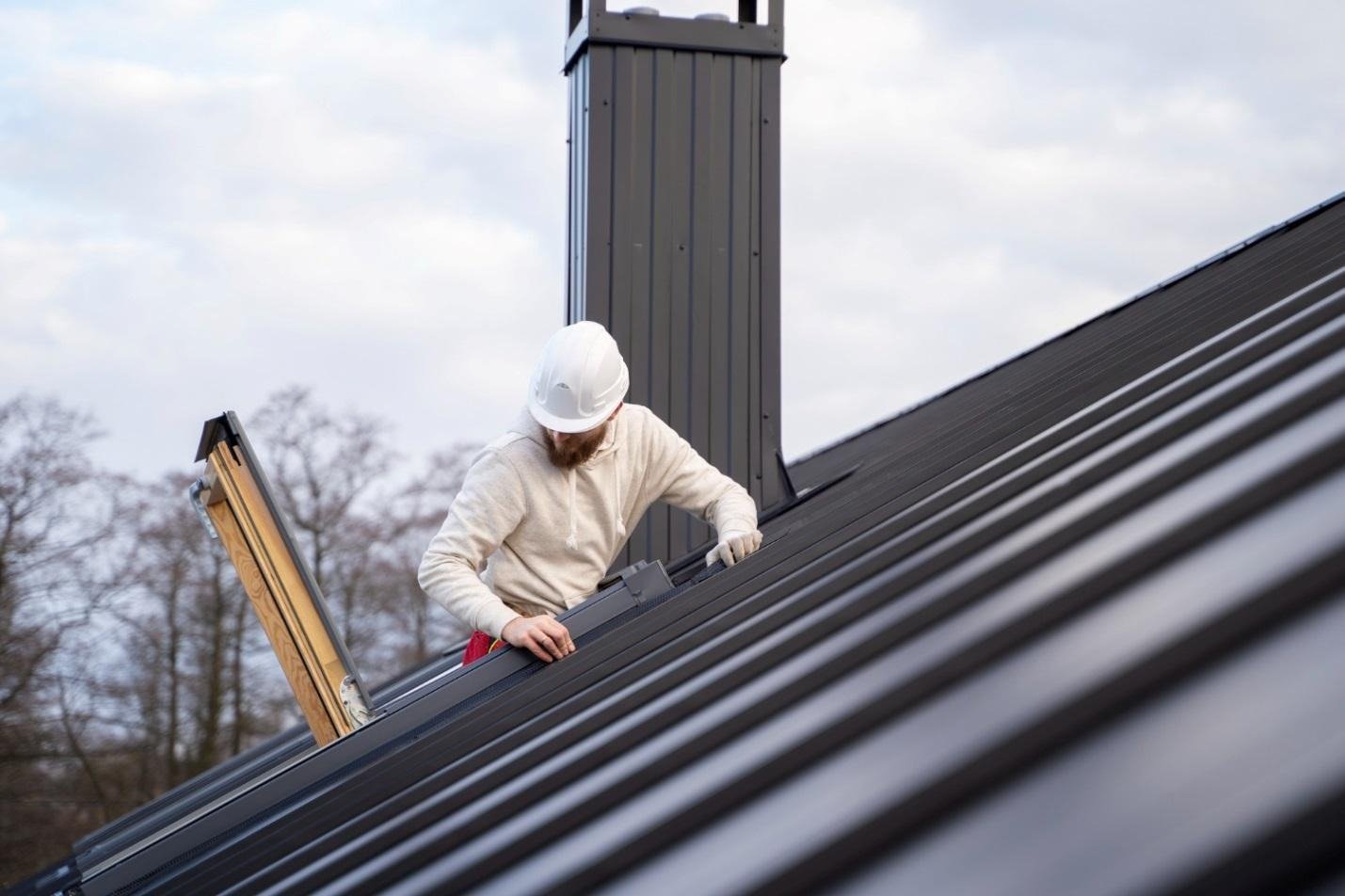
Storm season has this annoying habit of exposing every little thing that got ignored all year. A roof can sit there looking perfectly normal — nothing dramatic, no obvious holes — and then one night of pounding rain and sideways wind suddenly turns the living room ceiling into a slow-drip situation. Not because the storm was “unusually bad,” but because the roof was already tired, already compromised, just waiting for a push.
Preparation is just so dull, to be honest. Nobody wants to wake up and clean gutters or look at shingles. But the houses that come through the storm with the least amount of damage are almost always the houses where someone took a little bit of time before that to take care of the little things.
Below is not some fancy contractor checklist — just the practical things that actually make a difference when the weather turns ugly
First: Walk Around the House and Really Look
Not a quick glance. A slow walk. Different angles. Morning light if possible.
Things that tend to stand out when paying attention:
- Shingles that don’t lie flat anymore
- Spots that look darker or worn down
- Little pieces of roofing material on the ground
- Edges that look ragged instead of straight
- Anything that just looks… off
None of this means disaster is guaranteed. But it does mean the roof is not at its best.
A lot of people only start searching for Roofers near me when water is already coming through drywall, which is basically the worst possible timing.
Gutters: Nobody Cares About Them Until They Fail
Gutters are not glamorous. They are also extremely important. When they clog, water backs up under shingles and spills down walls, and suddenly the problem is no longer just “outside.”
Before storm season really gets going:
- Scoop out leaves, mud, and whatever sludge formed in there
- Check that the gutters aren’t pulling away from the house
- Run water through to see if it actually flows
- Make sure that downspouts aren’t dumping water right next to the foundation
When gutters are overflowing during a strong storm, it may appear as if the roof is leaking from everywhere.
After big rains, clogged drainage is one of the main reasons homeowners end up calling Roofing companies Tupelo MS in a hurry.
Trees Are Nice… Until They Aren’t
Shade is great. Birds are great. Limbs scraping across shingles during high wind? Not great at all.
Branches don’t even need to fall to cause trouble. Constant rubbing strips away the protective surface of shingles. Then rain starts getting in where it shouldn’t.
Worth checking:
- Branches touching the roof
- Dead limbs that look brittle
- Trees leaning toward the house
- Places where leaves tend to collect and stay moist
During a strong storm, even smaller branches may break and fall hard enough to damage roofing materials.
The Attic Tells the Truth
Most people avoid the attic unless something is stored up there. But it is basically the early warning system for roof problems.
Climb up there with a flashlight and check for:
- Damp or flattened insulation
- A musty smell
- Dark stains on wood
- Tiny beams of daylight
- Rust on nails
If moisture is already present, storms will make it worse fast. Water doesn’t politely stay in one spot — it spreads.
Secure Loose Stuff in the Yard
Wind does not care what an object is. If it can move, it can fly.
Things that often become accidental projectiles:
- Patio chairs
- Plastic tables
- Trash bins
- Garden tools
- Decorative items
- Kids’ toys
Damage from debris is actually pretty common. It’s also infuriating because it could have been prevented.
Flashing: Small Pieces, Big Problems
Flashing is the metal surrounding chimneys, vents, skylights, and anywhere the roof meets a vertical surface. It prevents water from entering the intersection.
Over time, sealant dries out and metal shifts a little.
Signs worth noticing:
- Cracked or peeling caulk
- Slight gaps
- Rust stains
- Edges lifting up
Water loves these entry points. Once underneath, it can travel along beams and show up somewhere completely different inside the house.
Commercial buildings deal with the same issue, just on a larger scale — one reason property owners often search for Commercial roofing companies near me before storm season ramps up.
Be Honest About the Roof’s Age
Roofs will eventually need to be replaced, even if they “look fine.” This is because materials will dry out, fasteners will loosen, and roofs will lose flexibility.
Questions many homeowners can’t answer:
- How old is the roof actually?
- Was it repaired multiple times?
- Has it survived previous major storms?
- Is there any warranty left?
An older roof might handle light rain just fine but struggle when wind and water hit together.
Local professionals such as Roofers Tupelo MS can usually tell quickly whether a roof still has enough life to withstand severe weather.
Watch the Flat or Low Areas
Add-ons, porches, garages — these often have flatter roofing where water lingers instead of running off.
Things to look for:
- Puddles that stay long after rain stops
- Debris collecting in one spot
- Soft or sagging sections
- Cracking surfaces
Standing water is basically a slow leak waiting to happen. Large commercial roofs deal with this constantly, which is why facility managers often search for Commercial roofing near me before storms start rolling through regularly.
Check Ceilings Before They Start Dripping
Interior clues often show up early, but they are easy to ignore.
Pay attention to:
- Faint yellow stains
- Bubbling paint
- Peeling corners
- Slight discoloration around fixtures
- Warped trim near the ceiling
These marks suggest moisture has already been there once. Another storm can reopen that pathway.
Professional Inspections Are Not Overkill
DIY checks catch obvious issues. Professionals notice subtle ones — loose fasteners, weak decking, early material failure.
Companies such as B&A Roofing offer inspections that help give a better sense of whether the roof is actually ready for the storm season or if it is just hoping for the best.
It’s usually a matter of emergency repairs and a whole lot of stress if the maintenance is put off until after the damage has been done.
Final Thoughts
Storm season does not create problems so much as reveal them. Homes that suffer the worst damage are usually the ones where maintenance kept getting pushed to “later.”
Preparation is not difficult. It is largely a matter of taking the time to look, to fix the little problems, and to get rid of the things that might become hazards.
When the winds begin to howl and the rain comes sideways, the peace of mind comes from knowing that the roof above is not already pushed to the limit.
You can also Read About it: