
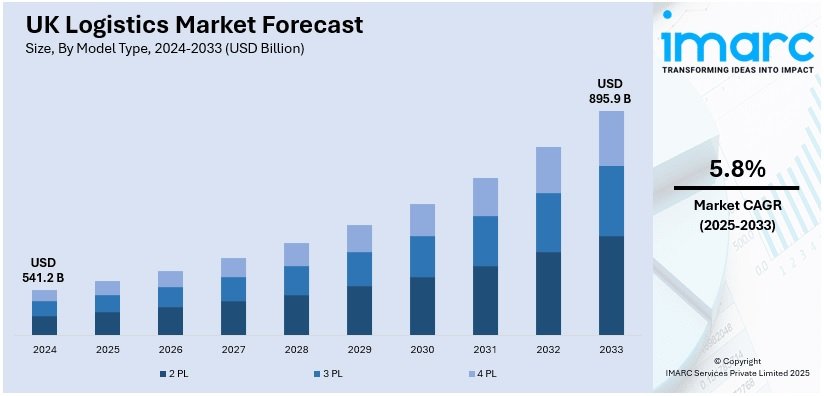
The United Kingdom has long stood as a pivotal hub in global trade. As an island nation, its reliance on robust supply chains is woven into the fabric of its economy. However, the logistics landscape in Great Britain has shifted dramatically over the last five years. Between the seismic changes brought about by leaving the European Union, the global disruptions of the pandemic, and ongoing geopolitical instability affecting shipping routes, moving goods in and out of the freight forwarding UK is more complex than ever before.
For businesses looking to trade with the UK, understanding the role of freight forwarders is no longer just an operational detail—it is a strategic necessity. The market is evolving rapidly, driven by digitalization and stringent new customs requirements. This guide addresses the most critical questions regarding the UK freight forwarding sector, backed by industry insights and market dynamics.
What is the current state of the UK freight forwarding market?
The UK freight forwarding market is substantial, resilient, yet currently facing a period of intense adaptation. Despite economic headwinds, the sector remains a cornerstone of the British economy.
To understand the scale, one must look at the volume of trade. The UK is one of the world’s leading trading nations. In recent years, the market size for freight forwarding in the United Kingdom has hovered around the multi-billion pound mark. The industry is characterized by a mix of massive multinational logistics integrators and thousands of nimble, independent small-to-medium enterprises (SMEs).
Key Market Dynamics:
- Volume: Approximately 95% of the total volume of UK import and export trade arrives or leaves by sea.
- Employment: The logistics sector is one of the UK’s largest employers, with freight forwarding being a significant subset of this workforce.
- Growth Trajectory: While volume growth has seen volatility due to inflation and consumer spending habits, the value of services has increased due to the complexity of customs clearance.
The market is currently consolidating. Larger firms are acquiring smaller ones to gain better control over their supply chains and technology stacks, aiming to offer “end-to-end” visibility that modern shippers demand.
How has Brexit changed freight forwarding operations?
It is impossible to discuss UK logistics without addressing the departure from the European Union. This singular event transformed the UK from a friction-free trading partner with Europe into a third country, necessitating full customs controls.
Before Brexit, moving goods from Birmingham to Berlin was as administratively simple as moving them to Manchester. Today, that same journey requires complex documentation.
The Statistical Shift:
- Customs Declarations: Post-Brexit, the number of customs declarations required annually in the UK skyrocketed. Estimates suggest a jump from roughly 50 million declarations per year to over 250 million.
- Cost Implications: This administrative burden has added tangible costs to the supply chain. Per-consignment costs have risen to cover the manpower and software needed to process these declarations.
For freight forwarders, this changed their value proposition. They are no longer just booking cargo space; they are now essential customs brokers. They must navigate the Customs Declaration Service (CDS), which recently replaced the aging CHIEF system. Forwarders act as the critical shield for importers, ensuring compliance with the Border Target Operating Model (BTOM), which introduced new sanitary and phytosanitary checks for animal and plant products entering from the EU.
What are the primary modes of transport used in the UK?
The UK’s geography dictates its logistics infrastructure. While it has land borders (with the Republic of Ireland), the vast majority of freight relies on sea and air connectivity.
Sea Freight
Maritime transport is the backbone of UK trade. The Port of Felixstowe is the busiest container port in the country, handling nearly half of Britain’s containerized trade. Southampton and London Gateway are also critical hubs. Sea freight is the dominant choice for high-volume, lower-value goods coming from Asia and the Americas.
Road Freight (Roll-on/Roll-off)
Road freight is vital for trade with Europe. The “short straits” between Dover and Calais, along with the Eurotunnel, form a critical artery. This mode relies heavily on speed and efficiency. Ro-Ro (Roll-on/Roll-off) ferries allow trucks to drive straight onto the vessel, minimizing handling. This sector was most acutely affected by Brexit, as delays at the border can cause traffic backups miles long in Kent.
Air Freight
While lower in volume, air freight is disproportionately high in value. Heathrow Airport is actually the UK’s largest port by value for non-EU trade. It handles high-value electronics, pharmaceuticals, and perishable goods that cannot survive a 40-day ocean transit.
How are freight rates determined for UK shipments?
Pricing in freight forwarding is rarely static. It functions on a dynamic model influenced by global supply and demand, fuel costs, and route availability.
1. The “All-In” Rate vs. Surcharges
A common point of confusion is the quote structure. A base rate might look attractive, but UK forwarders will often include necessary surcharges.
- BAF (Bunker Adjustment Factor): Covers the fluctuating cost of fuel for ships.
- CAF (Currency Adjustment Factor): Accounts for shifts between GBP, USD, and EUR.
- GRI (General Rate Increase): Periodic increases applied by carriers across specific trade lanes.
2. Geopolitical Disruptions
Recent years have shown how fragile pricing stability is. For example, security issues in the Red Sea have forced many vessels bound for the UK from Asia to divert around the Cape of Good Hope in Africa. This diversion adds approximately 10 to 14 days to the transit time and significantly increases fuel consumption, costs which are passed directly to the shipper.
3. Seasonal Peaks
The UK retail sector drives a massive “peak season” usually starting in August or September as businesses stock up for Christmas. During this window, capacity tightens, and spot rates for containers can double or triple compared to the slack season.
What is the role of technology in modern UK forwarding?
The days of managing freight purely via phone calls and spreadsheets are fading. The UK market is seeing a surge in “Digital Freight Forwarders” who offer online platforms for instant quoting, booking, and tracking.
However, traditional forwarders are also upgrading their tech stacks. The primary driver here is visibility. Shippers now demand Amazon-style tracking for their industrial containers. They want to know exactly where their goods are in real-time.
Furthermore, technology is the only solution to the increased paperwork volume. Automated customs software that links directly to HMRC’s systems is vital for clearing goods quickly. Forwarders utilizing API integrations can pull data directly from a commercial invoice into a customs entry, reducing human error and speeding up the release of cargo at the port.
What regulations must forwarders and shippers comply with?
Compliance is the bedrock of the UK freight industry. Since the UK is no longer part of the EU’s single market, strict adherence to international standards is enforced.
EORI Numbers
Every business moving goods into or out of Great Britain needs an Economic Operators Registration and Identification (EORI) number starting with “GB”. Without this, customs cannot process the shipment.
Commodity Codes (HS Codes)
Classifying goods correctly is essential. The UK Trade Tariff determines the duty and VAT rates. Using the wrong code can lead to overpaying tax or, worse, heavy fines and seized goods. Forwarders often assist clients in classifying their goods, but the legal liability ultimately remains with the importer.
AEO Status
Authorized Economic Operator (AEO) status is a quality mark for forwarders. It indicates that their customs controls and procedures are efficient and compliant. Using an AEO-accredited forwarder can mean fewer physical inspections and priority clearance at the border, which is a significant advantage in a congested supply chain.
Why is cargo insurance critical for UK shipments?
A startling statistic in the logistics world is how many businesses assume the freight forwarder is fully liable for damage. In reality, standard liability is severely limited.
Under standard trading conditions (such as those set by the British International Freight Association – BIFA), a forwarder’s liability is often capped based on the weight of the cargo, not its value. For example, if a lightweight but high-value electronic component is damaged, the compensation based on weight would be pennies compared to the item’s actual worth.
Therefore, securing marine cargo insurance is non-negotiable for prudent businesses. It covers the gap between the forwarder’s limited liability and the true commercial value of the goods.
How do I choose the right UK freight forwarder?
With thousands of options available, selecting a partner requires due diligence. The cheapest option is rarely the most reliable, and in a landscape defined by customs complexity, reliability is currency.
Checklist for Selection:
- BIFA Membership: Are they members of the British International Freight Association? This ensures they trade under standard, regulated conditions and carry liability insurance.
- Sector Expertise: Some forwarders specialize in perishables (cold chain), while others focus on automotive or retail. Generalists are good, but specialists navigate specific regulations better.
- Network Strength: Do they have a robust network of agents in the countries you are sourcing from? A forwarder in London needs a reliable partner in Shanghai or New York to handle the export side effectively.
- Digital Capability: Can they provide the reporting and tracking capabilities your business needs to forecast inventory?
The Future of UK Logistics
The freight forwarding industry in the UK is in a state of transformation. Sustainability is the next major frontier. With the UK government’s commitment to “Net Zero,” forwarders are increasingly tasked with tracking and reducing carbon emissions in the supply chain. We are already seeing the emergence of “green lanes” and carbon-offsetting options for shipments.
For businesses, the key takeaway is that freight forwarding is a partnership. The complexity of the modern UK border, combined with global volatility, means that a forwarder is not just a vendor, but a strategic advisor essential for commercial success.