The average day today looks very different from just a decade ago. From smart thermostats that automatically adjust to your preferences, to wearable fitness trackers that monitor your heart rate and sleep, connected devices have quietly transformed how we live, work, and interact with the world around us. Often referred to as the “Internet of Things” (IoT), this ecosystem of interconnected technology is no longer a futuristic concept—it’s an integrated part of everyday life.
What makes connected devices so impactful is not just their presence, but their ability to communicate with each other and adapt to human behavior. These technologies simplify mundane tasks, enhance safety, and provide valuable insights that help individuals make more informed decisions. As adoption continues to grow, their influence is becoming more personal, more intuitive, and more essential.
Smarter Homes, Simplified Routines
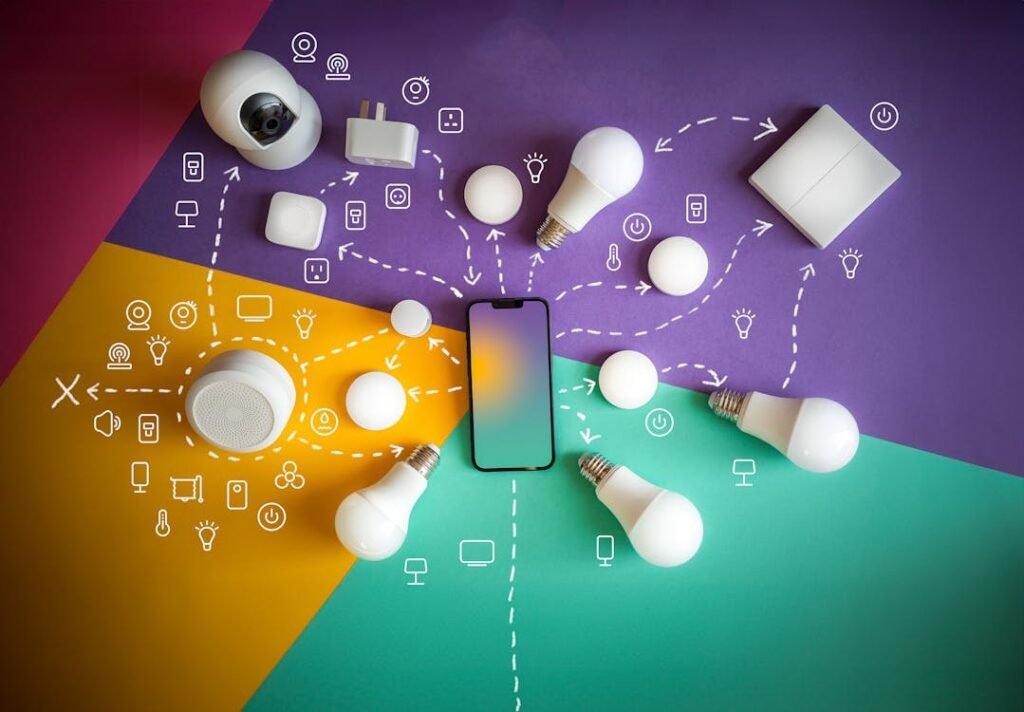
Smart home technology has arguably been one of the most visible ways connected devices are reshaping daily routines. Devices like voice assistants, smart lighting systems, and internet-connected appliances allow people to control their homes with minimal effort. A simple voice command can dim the lights, play music, or lock the doors before bed.
Beyond convenience, these systems also help optimize energy usage. Smart thermostats learn resident preferences over time and adjust automatically, reducing waste while maintaining comfort. Similarly, connected plugs and appliances allow users to track energy consumption in real time, encouraging more efficient habits.
Even small automations can make a noticeable difference. For example, morning routines can be streamlined by scheduling coffee makers, adjusting lighting gradually to mimic sunrise, or receiving reminders about appointments. These small efficiencies add up, saving time and reducing daily friction.
Health Monitoring and Personalized Care
Connected devices have made significant strides in health and wellness. Wearable devices now track everything from steps and calories to sleep quality and heart rhythm, providing users with insights that were once only available through medical professionals.
This constant stream of data empowers people to take a more proactive approach to their health. Rather than waiting for symptoms to appear, individuals can detect patterns and make adjustments early. For example, noticing consistently poor sleep trends may prompt changes in bedtime habits or stress management techniques.
In care settings, connected technology is enabling more personalized support. Remote monitoring systems allow caregivers to check in on patients without being physically present, offering peace of mind while maintaining independence. Communities and care providers are also beginning to incorporate these tools into their services, enhancing both safety and quality of life. For instance, facilities like SHINE® Memory Care in Glendale integrate technology to support residents with cognitive challenges, improving communication and responsiveness throughout the day.
Enhanced Mobility and Transportation
Connected devices are also transforming how people move through the world. Navigation apps provide real-time traffic updates, helping drivers avoid congestion and arrive faster. Ride-sharing platforms use GPS and mobile connectivity to match drivers with passengers instantly, reshaping urban transportation.
Vehicles themselves are becoming increasingly connected. Modern cars often include features like adaptive cruise control, lane departure warnings, and remote diagnostics. These systems not only improve safety but also reduce the cognitive load on drivers, making long commutes less stressful.
Public transportation systems are benefiting as well. Real-time tracking apps inform commuters exactly when buses or trains will arrive, reducing uncertainty and wait times. In many cities, digital payment systems streamline the boarding process, eliminating the need for physical tickets or cash.
Work and Productivity in a Connected World
The rise of connected devices has fundamentally changed how work gets done. Laptops, smartphones, and cloud-based tools allow employees to collaborate seamlessly from virtually anywhere. Video conferencing platforms have made remote work a viable long-term option for many industries, reshaping traditional office culture.
Connected devices also enable better time management and organization. Calendar apps sync across multiple devices, ensuring schedules are always up to date. Task management tools provide reminders and prioritize responsibilities, helping individuals stay on track even with busy workloads.
For businesses, IoT technology offers new levels of efficiency. Smart sensors can monitor equipment performance, predict maintenance needs, and reduce downtime. In retail, connected systems track inventory in real time, ensuring shelves are stocked and supply chains run smoothly.
Safety, Security, and Peace of Mind
Security is another area where connected devices are making a major impact. Smart security systems—including cameras, motion sensors, and doorbell monitors—allow homeowners to keep an eye on their property from anywhere. Real-time alerts provide immediate notification of unusual activity, enabling quicker responses to potential threats.
These technologies also extend to personal safety. Emergency alert systems, wearable panic buttons, and location-sharing features ensure that help can be reached quickly when needed. For families, especially those caring for children or elderly relatives, these tools provide an added layer of reassurance.
Cybersecurity remains a critical consideration, however. As more devices become connected, the potential for vulnerabilities increases. Users must take steps to secure their networks, update software regularly, and use strong passwords to protect their data and privacy.
The Growing Role of Data and Automation
At the heart of connected devices is data. Every interaction—whether adjusting a thermostat or tracking daily steps—generates information that systems use to improve performance and personalization. Over time, devices learn user preferences and adapt accordingly, creating a more intuitive experience.
Automation driven by this data is becoming increasingly sophisticated. Smart systems can anticipate needs rather than simply respond to commands. For example, a home system might lower the temperature before bedtime based on past behavior, or a fitness app might suggest a rest day after detecting signs of fatigue.
This level of personalization is transforming expectations. People are beginning to expect technology to “just know” what they need, reducing the effort required to manage daily tasks. While this convenience is appealing, it also raises important questions about data privacy and ethical use.
Conclusion
Connected devices have woven themselves into nearly every aspect of modern life, from how we manage our homes to how we monitor our health and complete our work. What once seemed like isolated gadgets are now part of a cohesive ecosystem that prioritizes efficiency, personalization, and ease.
As these technologies continue to evolve, their impact will only deepen. The challenge moving forward will be balancing innovation with responsibility—ensuring that convenience does not come at the cost of privacy or security. When used thoughtfully, connected devices have the potential to not only simplify daily life but also enhance it in meaningful and lasting ways.