
Key Takeaways
- ACH payroll processing streamlines salary payments, reducing administrative burdens and enhancing security across the board, particularly important for organizations managing high transaction volumes.
- The adoption of Same-Day ACH is enabling faster payroll cycles, which is especially critical for companies with on-demand compensation models and a distributed workforce.
- Integrating ACH with real-time payment platforms offers not only improved cash flow management but also greater payroll flexibility, making it easier to meet urgent payroll requirements or off-cycle payment needs.
As the digital economy reshapes how businesses operate and adapt to evolving market demands, finding efficient and secure payroll methods is more important than ever. Automated Clearing House (ACH) payroll processing has rapidly emerged as a leading solution, favored for its seamless employee compensation processes, significant reduction in paperwork, and risk mitigation associated with lost or delayed checks. With businesses striving to keep pace in an environment shaped by remote work, digital transformation, and fast-changing employee expectations, setting up ACH payroll with your provider has become a key differentiator. Understanding the core benefits, the operational landscape, and integration opportunities of ACH payroll processing is essential for any organization aiming to future-proof its payroll operations and ensure consistent employee satisfaction.
Embracing ACH not only streamlines the payroll process by making transactions faster and more predictable, but it also positions companies as forward-thinking employers who value reliability and technological advancement. In today’s competitive environment, many employees expect direct deposit and near-instantaneous access to their wages. Employers leveraging ACH payroll are better able to deliver on these expectations, minimizing administrative friction and errors associated with paper-based payments. Furthermore, the ACH network promotes enhanced security measures and regulatory compliance, allowing businesses to shift valuable financial resources away from manual payroll administration toward tasks that drive growth.
The Rise of ACH Payroll Processing
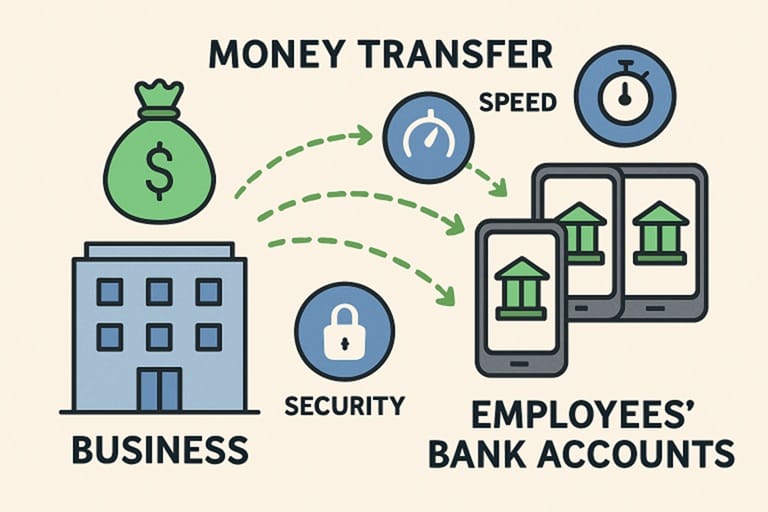
ACH payroll processing provides a digital pathway for employers to deposit wages directly into employees’ bank accounts, bypassing the time-consuming steps involved in issuing and distributing paper checks. Eliminating paper checks not only reduces material and postage costs but also minimizes discrepancies, increases accuracy, and ensures that staff receive compensation on time, regardless of location. As revealed by Nacha, the organization responsible for managing the ACH network, the first half of 2025 saw a 5.5% growth in ACH payment volume, totaling an impressive 17.25 billion payments—a clear testament to the mainstream adoption of electronic payroll transfers. Businesses across various industries have recognized that transitioning to electronic payments enables enhanced reliability and scalability, which are essential for keeping pace with today’s increasingly mobile and remote workforce.
Comprehensive support is available from most payroll providers, with software and technology integrations designed to make the ACH setup process user-friendly and compliant with regulatory standards. With embedded fraud-prevention mechanisms and real-time error monitoring, the ACH system can be trusted by organizations of all sizes to facilitate smooth, secure, and auditable payroll transactions. These features have contributed significantly to the growing confidence among payroll administrators and CFOs in adopting ACH payroll as their standard method for paying employees.
Same-Day ACH: Enhancing Payroll Efficiency
The introduction of Same-Day ACH payments represents a significant advancement in payroll timeliness and flexibility. Traditional ACH transactions typically settle within one to two business days, which, although efficient, may not meet the urgent needs of employees for cash flow. With Same-Day ACH, companies can complete payroll disbursements within hours, accommodating a variety of situations—from immediate wage access to emergency advances and last-minute bonuses. This capability is especially beneficial for gig economy employers, hourly workers, and businesses with fluctuating staffing needs or those needing to resolve payroll issues swiftly. Notably, during Q2 2024, Same-Day ACH volumes surged 28.7% year-over-year, crossing the 225 million transaction mark, which demonstrates the growing demand for real-time wage access and payroll reliability. This dramatic uptick underscores the increasing importance of speed and timing in payroll processing.
For businesses, adopting Same-Day ACH requires a careful cost-benefit analysis, since some banks and payment processors may charge additional fees for expedited funds transfers. However, the ability to provide timely disbursements, meet compliance requirements for immediate wage access regulations, and address employee financial well-being often outweighs the added cost for many organizations. Same-Day ACH also provides a layer of flexibility that can be crucial in industries like healthcare, hospitality, and retail, where workforce scheduling and compensation needs are dynamic and time-sensitive.
Integrating ACH with Real-Time Payment Systems
Combining ACH payroll with real-time payment platforms creates a powerful and flexible payment ecosystem. Since its highly anticipated launch in June 2023, FedNow has rapidly added over 1,000 financial institutions, enabling instant, around-the-clock transactions. This integration empowers businesses to offer truly same-day or even instant payroll, mitigating payroll emergencies, improving cash flow, and raising the bar for employee satisfaction. The capability to unify ACH with real-time payment options means companies are no longer constrained by bank operating hours, batch processing cycles, or traditional check runs.
This unified approach enables organizations to address not only routine payroll cycles but also unpredictable or urgent compensation events—such as bonuses for outstanding performance, referral rewards, or one-time project payments—without lengthy waiting periods. As payment platforms continue to innovate, businesses anticipate even tighter integration between ACH, same-day settlement, and real-time payments, driving new possibilities for both payroll flexibility and financial planning.
Benefits of ACH Payroll Processing
- Cost Efficiency: Employers save substantially on administrative costs. There’s no need to purchase check stock, pay shipping fees, or commit staff to manual processing and check reconciliation, allowing more resources to be allocated toward growth and innovation.
- Security: Digital payroll methods minimize the security risks of lost, stolen, or forged checks. The ACH network utilizes robust encryption and authentication protocols, safeguarding sensitive payroll data and minimizing the risk of fraud or payment errors.
- Convenience: By automating recurring payroll functions, ACH allows finance teams to focus on higher-value activities, making it easier to scale processes as companies expand their workforce or geographic reach.
- Employee Satisfaction: Fast, reliable direct deposits ensure workers receive their pay on time, every time—even during holidays or remote work transitions—boosting trust and overall morale. Employees also save time that would otherwise be spent depositing checks and gain added control over their personal finances.
Challenges and Considerations
- Processing Times: Although standard ACH processing is efficient, payments can take up to two business days to settle, which may not meet the needs of urgent or last-minute payroll requirements. Organizations must balance the desire for speed with the potential costs of opting for Same-Day ACH.
- Bank Holidays: Since ACH operates within the federal banking system, payroll processing can be delayed by holidays, necessitating planning to avoid missing pay deadlines. Ensuring calendar alignment and contingency planning are essential, especially at year-end or during major public holidays.
- Compliance: Payroll-related regulations are complex and ever-evolving. Accurate reporting and adherence to tax and labor law requirements are essential. Integrating payroll software that offers robust compliance monitoring reduces the risk of mistakes, missed filings, or penalties.
Future Outlook
The evolution of ACH payroll processing is poised to accelerate as digital innovation continues and more organizations recognize its strategic advantages. Market trends suggest wider adoption of digital payroll solutions will drive even tighter integration between ACH and real-time payment networks, raising standards for agility, transparency, and workforce satisfaction. With regulations evolving and financial technology providers focusing on enhanced security features and fraud prevention, ACH payroll is poised to remain a leading, reliable solution for modern businesses seeking to streamline operations while safeguarding sensitive payroll data.
Conclusion
ACH payroll processing is redefining how companies approach employee compensation, providing the crucial advantages needed to succeed in a dynamic digital economy. By harnessing the secure, cost-effective, and scalable nature of ACH, organizations can boost operational efficiency, better manage cash flow, and strengthen workforce relationships. As businesses continue to adapt to changing demands and leverage digital innovation, ACH payroll will remain at the heart of innovative, future-oriented payroll strategies.
You can also read about this:
Chrome Browser Testing: How to Automate Web Testing in Chrome