
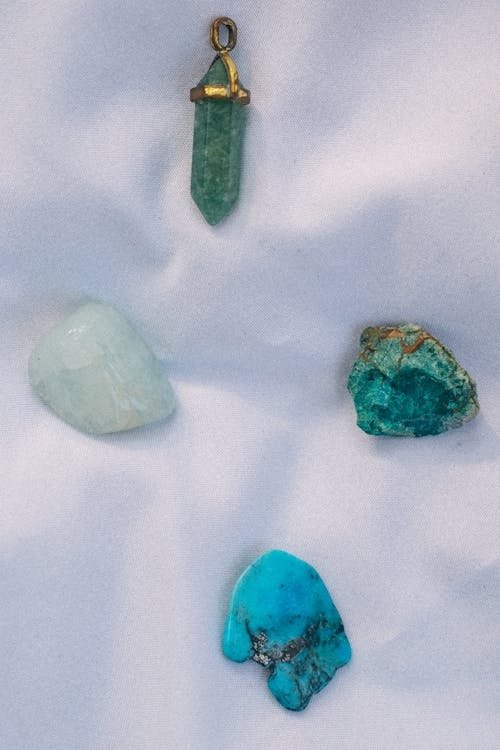
Natural gemstones hold enduring appeal for collectors, jewelers, and enthusiasts who appreciate their beauty and individuality. Each stone carries a unique combination of color, clarity, structure, and origin that contributes to its overall value. Because no two natural gemstones are exactly alike, experts rely on a detailed evaluation process to determine quality and authenticity. Understanding how professionals assess these stones provides helpful insight for anyone interested in purchasing or collecting fine gems.
Assessing Color and Its Visual Impact
Color is one of the most influential factors in gemstone evaluation. Experts examine hue, tone, and saturation to determine how vibrant and balanced the color appears. A gemstone with rich, even color is typically more desirable than one with uneven or muted tones.
Natural gemstones often display subtle variations that reflect their geological origins. These nuances contribute to their character and can enhance their appeal when the color is harmonious and visually striking. Whether evaluating a deep red garnet or a cool blue stone, color remains a defining element in determining overall quality.
Evaluating Clarity and Internal Characteristics
Clarity refers to the presence of inclusions or internal features within a gemstone. These natural formations can include tiny crystals, fractures, or mineral traces that developed during the stone’s formation. While inclusions are common in natural gems, their size, location, and visibility influence the stone’s value.
Experts use magnification tools to examine clarity and determine whether inclusions affect durability or appearance. Some inclusions are considered part of a gemstone’s identity and may even enhance its uniqueness. The key is understanding how these internal characteristics interact with light and contribute to the stone’s overall beauty.
Examining Cut and Craftsmanship
A gemstone’s cut plays a major role in how it reflects light and displays its natural color. Skilled cutting enhances brilliance, symmetry, and proportion, allowing the stone to showcase its best qualities. Poor cutting, on the other hand, can diminish sparkle or create uneven reflections.
Experts evaluate the precision of each facet, the symmetry of the overall shape, and the way the stone interacts with light. A well executed cut highlights the gemstone’s strengths and minimizes any visual distractions. This craftsmanship is especially important in jewelry pieces such as Montana sapphire earrings, where the cut must complement both the stone and the design.
Determining Origin and Geological Significance
The origin of a gemstone can greatly influence its desirability and value. Certain regions are known for producing stones with distinctive characteristics, and experts often analyze geological markers to determine where a gemstone was formed. These markers may include trace elements, growth patterns, or color signatures unique to specific locations.
Knowing a gemstone’s origin adds depth to its story and helps verify authenticity. Collectors often seek stones from well known regions because of their reputation for quality and rarity. Understanding origin also supports ethical sourcing and transparency within the gemstone market.
Evaluating Rarity and Market Demand
Rarity is another important factor in gemstone evaluation. Some stones are found only in limited deposits or produced in small quantities, making them more valuable to collectors. Experts consider how often a gemstone appears on the market, the size and quality of available specimens, and whether the mine is still active.
Market demand also influences value. When a particular gemstone becomes popular due to its beauty, history, or unique characteristics, its desirability increases. Experts balance rarity with demand to determine a gemstone’s long-term appeal and investment potential.
Conclusion
Natural gemstones are evaluated through a careful examination of color, clarity, cut, origin, and rarity. Each factor contributes to the stone’s beauty, authenticity, and overall value. By understanding how experts assess these qualities, collectors and buyers can make more informed decisions and appreciate the craftsmanship and natural wonder behind every gemstone.